

Breaking the Cycle of Performance:
Start Playing Your Own Game.
The modern drive to stay busy is mistaken for genuine achievement, often at the expense of health. This perspective suggests unlearning productivity myths: notice when you’re working just to feel worthy, pay attention to your body’s stress signals, and allow pauses instead of pushing through. Real productivity might actually require slowing down and deciding for yourself what success means, instead of chasing endless busyness.
Performative Productivity | When staying visibly busy replaces moving meaningfully forward
Monday morning, and it’s 8:52 a.m. She’s already said “I’m slammed” three times — to the barista, to her sister on the phone, to the coworker who asked how her weekend was. She says it the way other people say “I’m fine.” There’s a satisfaction in it, a straightening of the spine. Fourteen unread Slack messages glow on her lock screen while she answers two emails with her thumb, a coffee latte in her other hand. Somewhere she learned that this — pushing into high gear first thing in the morning — is what it looks like to matter.
How Overworking Sneaks In
It’s easy to mistake constant activity for true productivity. Many of us fill our schedules, quickly respond to every message, and keep up a frantic pace. In environments where producing visible output and busyness signal success and status, these expectations often shape our behavior, regardless of personal traits. Acknowledging how these environments shape us is the first step toward change.
Recognizing toxic productivity signs means understanding that habits like seeking validation can develop as adaptive responses to demanding, low-safety workplaces. When you ask, “Am I busy or productive?” you begin to identify how your surroundings have conditioned you to equate doing more with feeling secure, opening the door to genuine, sustainable productivity.
None of this erases the internal pull either — the need to prove your own worth to yourself, whatever the workplace around you is doing. The two feed each other.
With this awareness, you can start noticing the signs in your body and daily routines.
The Body’s Perspective
Stopping overworking means recognizing when performative effort keeps you occupied without necessarily moving you toward your goals. Pay attention to physical cues — like tight shoulders or shallow breathing — as real-time feedback on your body’s capacity, offering insights beyond what quick-fix mindfulness addresses.
One effective way to respond to these signals is by taking intentional micro-pauses throughout your day. Use them as opportunities to check in with yourself, respect your limits, and recognize your needs. Don’t view them as wellness hacks to squeeze out more productivity.
Beyond these small moments of reflection, lasting productivity requires a broader shift in how you structure your days.
A Different Kind of Progress
Sustained productivity grows from long-term productivity strategies that respect your real-world limits. You don’t need constant pressure to be productive. Instead, real exhaustion recovery tips focus on curating your commitments and protecting downtime. Rather than relying on broad empowerment slogans, lasting success comes from practical, capacity-based practices that ensure your work supports your well-being and keeps it a priority.
By putting these practices into action, you can create a healthier, more sustainable approach to both work and well-being.
It’s 8:52 a.m. again, some Tuesday down the line. The barista asks how she’s doing, and for once she doesn’t reach for “slammed.” She says, “Good, actually,” and means it. Unread messages still glow on the lock screen. She ignores them for now, because she stopped needing to prove she’s enough. And can’t remember the last time waiting felt this good.
Recognizing the performance is one thing; building something steadier in its place is another. The Shift to Genuine Consistency picks up there, on what real, non-performative effort looks like day to day.
Sample a course in Personal Energy Management. Visit The Tasting Room – a curated selection of courses — designed to give you a genuine experience of the work. Enough to shift something. Enough to know. Short in form. Real in impact.
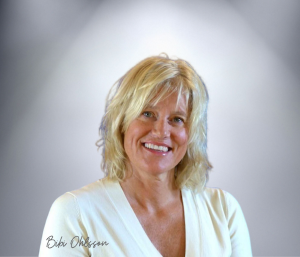
Bibi Ohlsson
I write in the space where life tilts—those small, unmistakable moments when something inside you moves first, and the rest of your world begins to follow.
This is where recognition becomes direction.
Here, we explore the questions that stretch you, the patterns that reveal you, and the subtle shifts that quietly rewire the way you meet your days.
If you sense a truer version of your life just within reach, you’re already in the right place.
What you read here is meant to spark ideas and offer education—not to replace medical, mental health, financial, or legal guidance.
Disclaimer