

How to Use External Validation as a Pathway to Self-Trust
Observing thoughts and feelings without judgment helps loosen the grip of negative self-beliefs, so external feedback can inform growth rather than define worth. Gkintoni et al., 2025 (Journal of Clinical Medicine)
The Science Behind Self-Acceptance
Imagine a moment when you stood at the edge of a daunting new challenge and chose to embrace yourself just as you are. Picture the relief washing over you, a physical lightness in your chest, as the burden of self-judgment lifts. In that instant, you found the clarity to move forward.
This is self-acceptance in action.
Beyond the Concept
Self-acceptance is unconditional—it means accepting yourself as you are, flaws and all. It is one of the best gifts you can give yourself and one of the core pillars of personal growth.
To accept ourselves is to accept the fact that what we think, feel, and do are all expressions of the self at the time they occur. — Nathaniel Branden, 2011
What Happens When You Accept Yourself
This internal shift does more than offer relief; it brings tangible, well-documented benefits to your everyday life. Studies have shown that individuals who practice self-acceptance report lower stress levels and greater happiness (MacInnes, 2006). Self-acceptance has been linked to enhanced psychological well-being and life harmony (Garcia, Nima, & Kjell, 2014), highlighting its wide-ranging positive impacts on both mental and emotional health.
The Question Everyone Asks
Unconditional self-acceptance allows you to fully embrace life and appreciate your imperfections, bringing tranquility to your endeavors. It helps you show kindness to yourself, enhances self-awareness, and strengthens resilience, enabling you to recover from setbacks and learn from them. It helps you confront difficult emotions without judgment, creating space to process and move forward with clarity and confidence.
But doesn’t accepting ourselves as we are lead to complacency?
Acceptance as Your Starting Point
This concern surfaces often. Interestingly, research indicates the opposite: adopting an accepting approach to personal failure may actually enhance motivation for self-improvement (Neff et al., 2012).
Self-acceptance and personal growth can coexist harmoniously. By embracing who we are, we establish a stable foundation to pursue meaningful change, empowering us to set realistic goals and strive for improvement without the burden of self-criticism.
Self-acceptance takes courage and practice, but its benefits make it a pursuit worth embracing.
The Dinner Where Breah Stopped Apologizing for Wanting to Be Seen
Sofie slid the cutting board toward Breah. “Chop these while you tell me what happened.”
Breah’s knife found rhythm against the wooden board. “My manager gave me feedback yesterday. Good feedback, actually. But I noticed something—I felt this rush of relief. Like I’d been holding my breath waiting for someone to tell me I was doing okay.”
“That’s normal though,” Maya said, stirring the pot. “We all want recognition.”
“I know.” Breah paused mid-chop. “But I’m trying to figure out the difference between wanting external validation and needing it to feel worthy.”
Lin leaned against the counter, wine glass in hand. “There’s a difference?”
“I think so,” Breah said slowly. “When I need validation to feel worthy, every piece of feedback becomes evidence about my value as a person. But when I already know my worth? Then feedback becomes information I can actually use.”
The kitchen was filled with the smell of garlic and olive oil.
“So external validation can be useful?” Sofie asked.
“Yes,” Breah said, gathering the chopped vegetables. “But only when it’s not the foundation. When someone sees something in my work I didn’t notice, that’s valuable. When they reflect back a strength, I can trust that mirror. But I’m not depending on them to tell me if I matter.”
Maya turned from the stove. “That’s the shift. Using external voices as mirrors instead of measuring sticks.”
“Exactly.” Breah scraped vegetables into the pan, the sizzle punctuating her words. “I can seek feedback, receive praise, even enjoy recognition—without handing over my sense of self-worth to someone else’s opinion.”
Lin raised her glass slightly. “So you get to be seen AND stay centered.”
“That’s the goal,” Breah smiled. “To welcome what others notice without needing it to survive.”
The timer chimed. Dinner was almost ready.
The support you receive can clarify the choices you make. Explore how daily actions become the practice of self-alignment.” → The Evening Breah Realized Her Life Was Made of Tuesdays
Before seeking external validation, it helps to know where your own voice is grounded. → The Walk Where Breah Learned Trust Lives in Motion
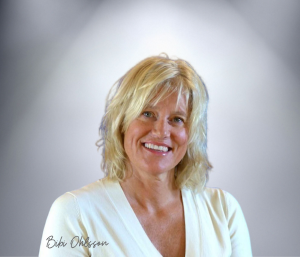
Bibi Ohlsson
I write in the space where life tilts—those small, unmistakable moments when something inside you moves first, and the rest of your world begins to follow.
This is where recognition becomes direction.
Here, we explore the questions that stretch you, the patterns that reveal you, and the subtle shifts that quietly rewire the way you meet your days.
If you sense a truer version of your life just within reach, you’re already in the right place.
What you read here is meant to spark ideas and offer education—not to replace medical, mental health, financial, or legal guidance.
Disclaimer